Durga Puja
Sreerupa
September 26, 2025
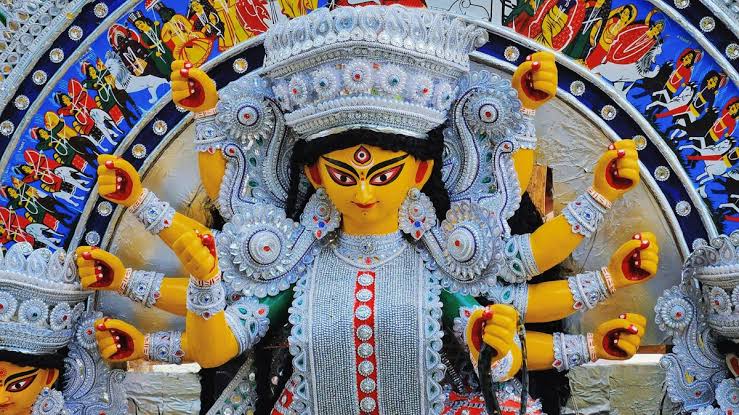
The annual embrace of Durga Puja in West Bengal transcends mere festivity; it is the soul's profound pilgrimage into the realm of Shakti, the primordial feminine power. This is not the celebration of a myth, but the visceral awakening of the Divine Mother, Adi Shakti, within the collective consciousness.
The Awakening of Primal Power
The festival begins long before the five days of worship. It is heralded by 'Mahalaya', the day the Mother is invited to descend. This is the ultimate spiritual signal: the cessation of the routine and the invocation of the extraordinary. Every beat of the 'dhak' (traditional drum) is a cosmic pulse, a declaration that the dormant power of the universe is stirring.
In the figure of Maa Durga, we do not merely see a deity, but the totality of Shakti—the single, unified energy that governs creation, preservation, and dissolution. Her ten arms, each wielding a divine weapon, are symbolic of the ten directions, signifying her dominion over the entire manifested world. She is the fierce yet serene embodiment of Durgati Nashini, the destroyer of all distress, both outer (the demon Mahishasura) and inner (our own ego, ignorance, and attachments).
The Ritual of Spiritual Surrender
The rituals of Durga Puja are, at their core, spiritual technology for aligning the individual spirit with the boundless power of the Divine Mother.
Kalparambho (The Commencement): This is the moment of initiation, the spiritual vow to purify the self to receive the Goddess. It is the preparation of the inner sanctum—the heart—to become her dwelling.
Anjali (The Offering): The fervent, united offering of flowers on Ashtami is a symbolic surrender. We offer the blossoms of our virtues and vices, asking Maa to accept our entirety. The chanting of the 'Stotras' is the mind's ultimate devotion, directing our focus to her limitless grace.
Sandhi Puja: This ritual, performed at the precise juncture where Ashtami transitions to Navami, is the most potent period of worship. It is the moment when Durga transforms into Chamunda, signifying the pinnacle of her protective and destructive energy. Spiritually, it's the seeker's opportunity to harness the energy of transition, to utterly destroy the seeds of ego and karma.
The Separation and the Eternal Promise
The climax, Vijaya Dashami, is the spiritual paradox of the festival. The immersion of the idol (Bisarjan) is not an end but a release—a reminder that forms are ephemeral and the Divine Mother is Nirguna (formless) and Sarvavyapini (omnipresent). The clay returns to the Ganga, the water that birthed it, signifying the continuous cycle of dissolution and recreation by Shakti.
The sadness felt is not for a lost idol, but for the temporary separation from the intense spiritual energy experienced. Yet, the promise whispered in the heart—"Aashte Bochhor Abar Hobe" (It will happen again next year)—is the assurance of the eternal return of grace. Durga Puja is the annual reaffirmation of the truth: that the ultimate power is feminine, compassionate, and forever residing within the human soul, awaiting its moment of awakening. It teaches us to confront our inner demons with the courage of the Mother.